Precision Component Design and Reverse Engineering

Precision Components

Project Brief

This section highlights SPM Mechanical Engineering’s expertise in precision component design and reverse engineering. Alongside larger turnkey projects, we support clients with highly accurate, tightly toleranced parts, using advanced modelling techniques to optimise performance, improve manufacturability, or recreate components where original data is unavailable.

Our Process

Connect

We support clients with precision component design and reverse engineering, helping analyse, recreate, or improve parts through detailed CAD modelling, measurement, and manufacturing expertise.

Create

Projects begin with defining function, tolerances, material selection, and manufacturing methods, applying design-for-manufacture principles before developing accurate models in SolidWorks.

Complete

Manufacturing information is delivered through detailed technical drawings or model-based definition, including geometry, tolerances, materials, and production data, with optional vendor support.

Repeat

Precision component design underpins many of our projects, with clients returning for ongoing optimisation, redesign, and specialist engineering support.

Connect:

SPM Mechanical Engineering do not only get involved in large turn key design projects. We often get involved in the design and production optimization of individual precision components. Precision component design creates highly accurate, tightly toleranced parts using advanced modelling and manufacturing to ensure consistent, reliable performance. We are also often asked to reverse engineer components for our clients. Reverse engineering analyses existing components, often with 3D scanning, precision measuring and CAD, to understand, recreate or improve designs when originals are unavailable.

Create:

We use advanced modelling techniques and our extensive knowledge of precision part design and manufacture. In order to fully capture the design intent of the component and before design work even begins in SolidWorks we apply the following process:

  • Define the function of the part.
  • Assess potential part tolerances and only specify where function requires it.
  • Assess possible material selections and treatments.
  • Consider manufacturing method capable of combining tolerances with material selection.
  • Apply design for manufacture techniques.
  • Choose manufacturing process.

Complete:

There are several ways in which the manufacturing information for a precision part or reverse engineered part can be captured and this applies to all parts designed here at SPM Mechanical Engineering.

  1. 2 dimensional technical drawing. All relevant information such as geometry, dimensions, tolerances, material selection, finish specification and manufacturing process information are defined.
  2. 3D model based definition. The 3D model contains all of the manufacturing data and this can be supplied and viewed by the vendor. This integrated approach can help streamline the manufacturing process and enhance communication with the supply chain.

SPM Mechanical Engineering can also help with vendor selection and manufacturing support.

Finished Project Media

Repeat:

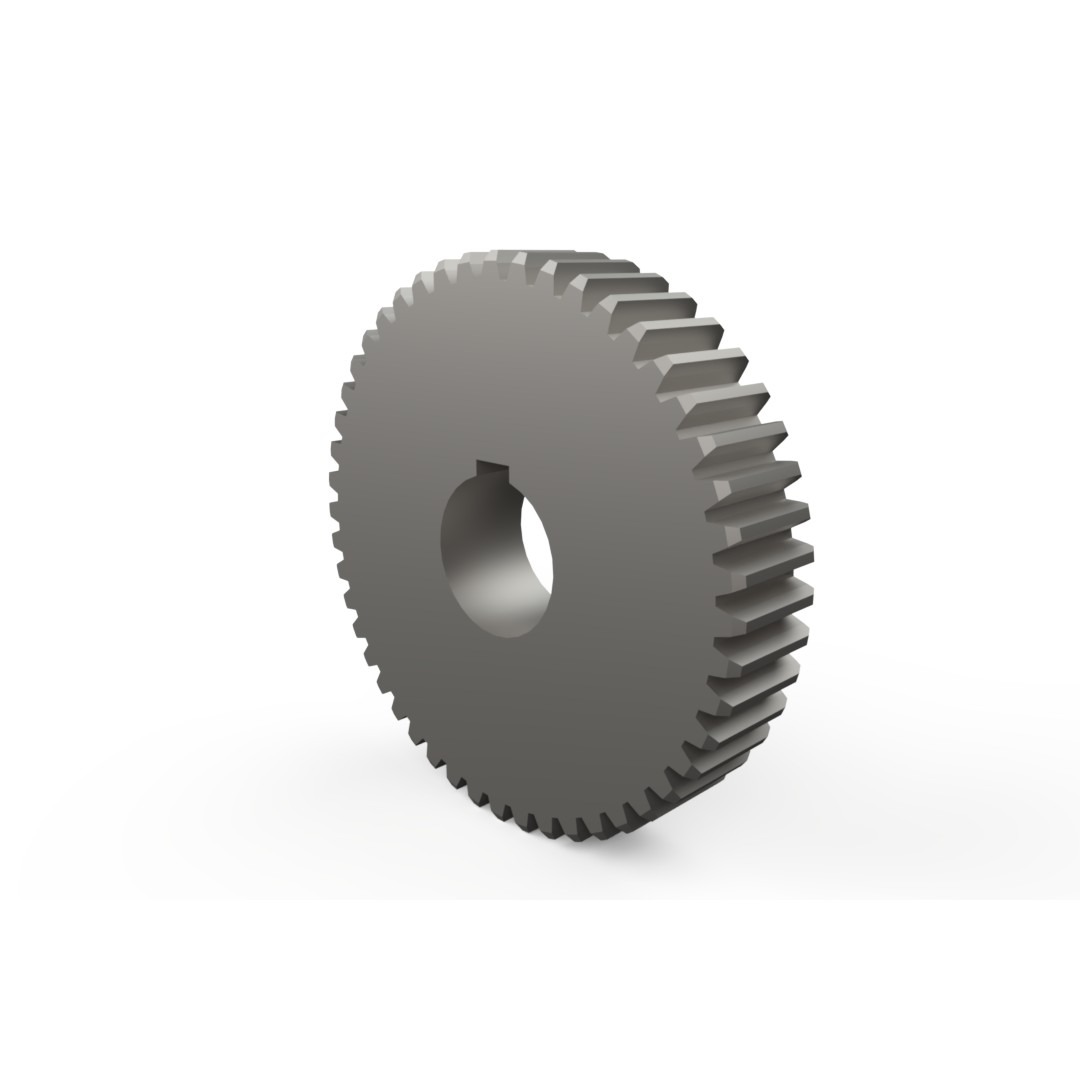
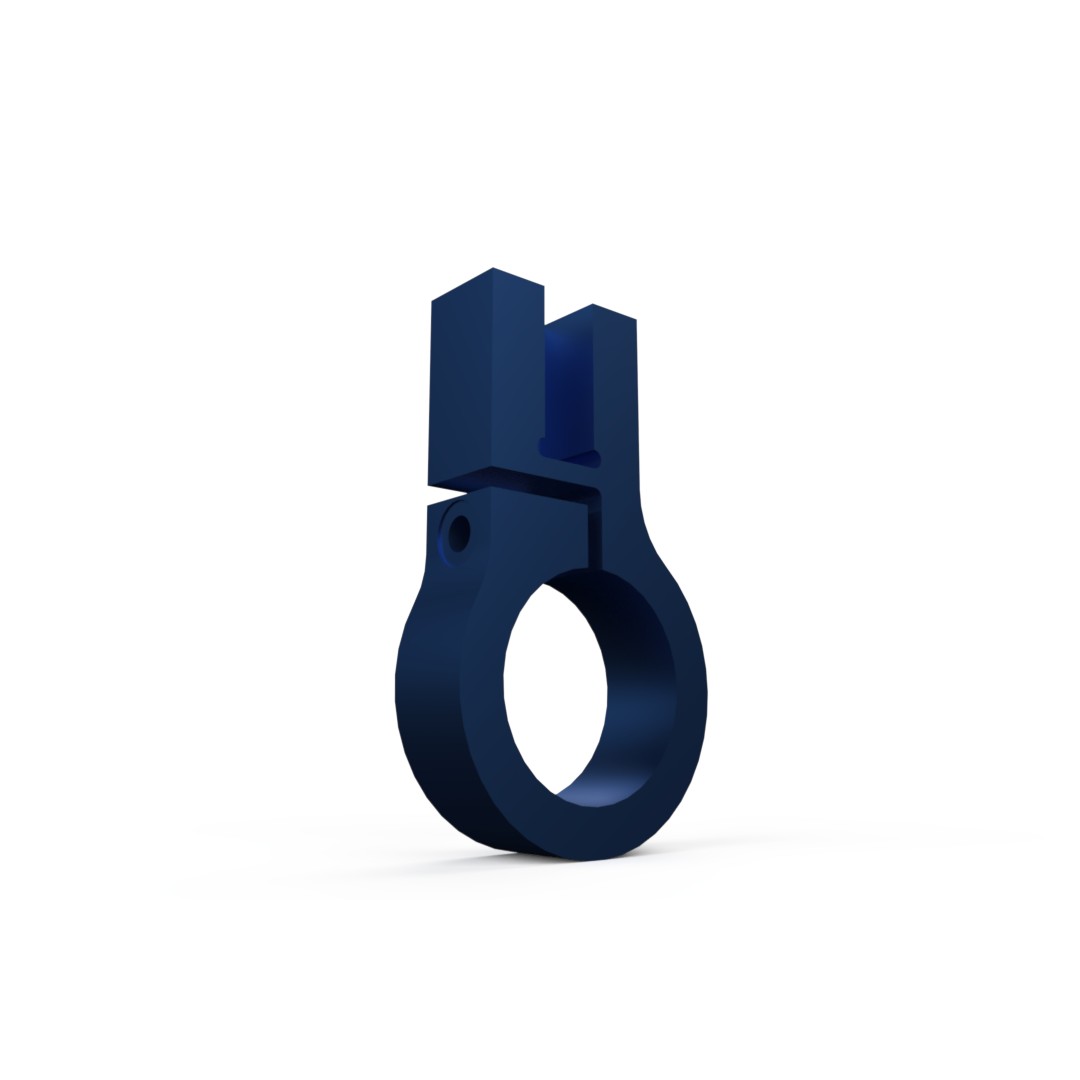
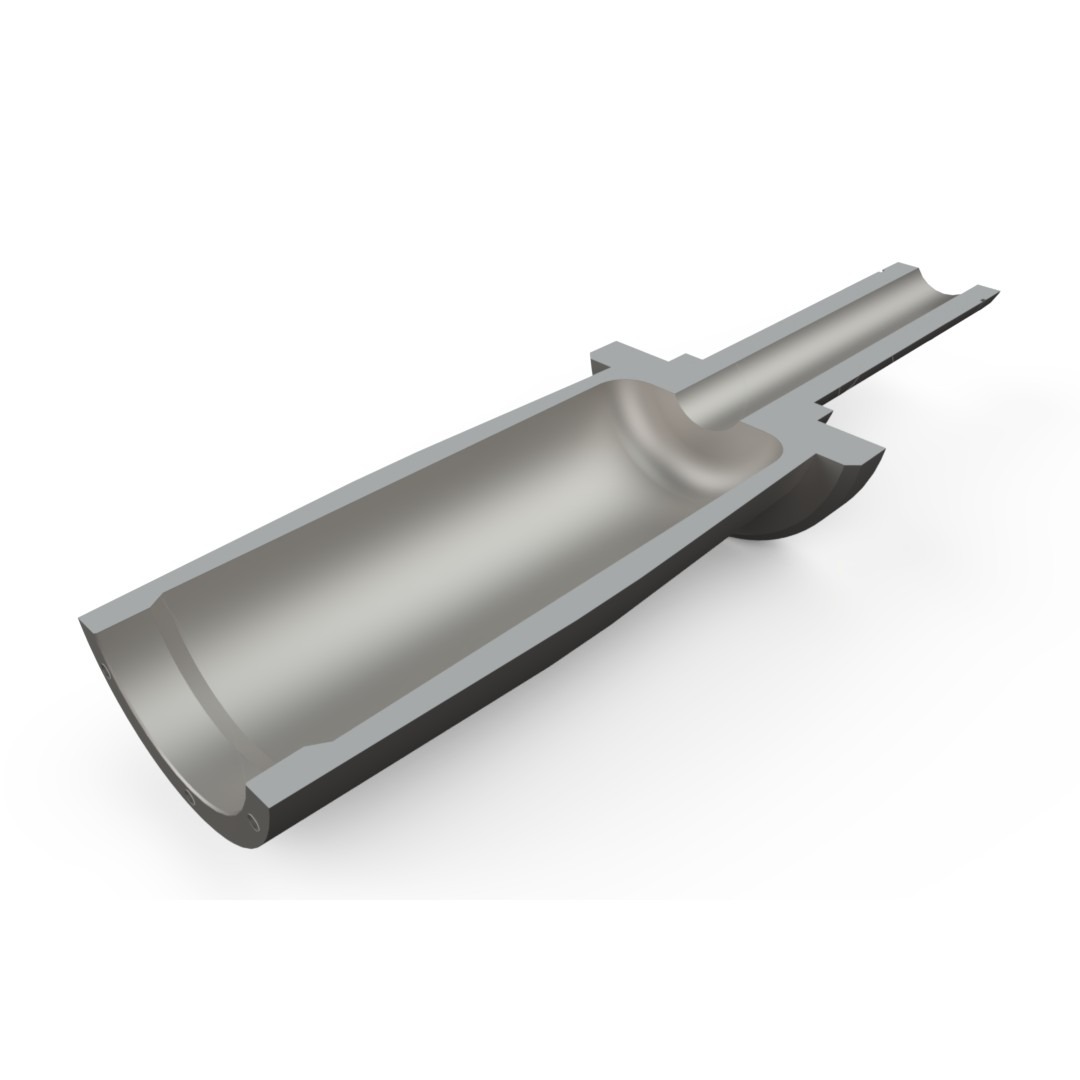
Precision part design forms the basis of everything we do here at SPM Mechanical Engineering. All of the projects we undertake involve precision part design in some form or another so we are no stranger to it. Below is a further selection of our precision part designs.